Why investor assemblies require specific preparation.
Collective financing projects in Argentina typically involve groups of investors who have contributed capital to a specific real estate development. As the project progresses, these investors have a legitimate interest in understanding how their capital is being used, what the current status of construction is, and what the projected timeline looks like.
The assembly is the formal channel through which this communication happens. When it's well-organized, it reinforces trust and gives investors confidence in the project's management. When it's improvised or poorly structured, it can create confusion, amplify concerns, and leave everyone — including the developer — in a worse position than before the meeting.
Professional facilitation addresses this directly. It's not about managing perceptions — it's about organizing information and discussion so that the assembly achieves its purpose: informed investors, documented decisions, and a clear record.
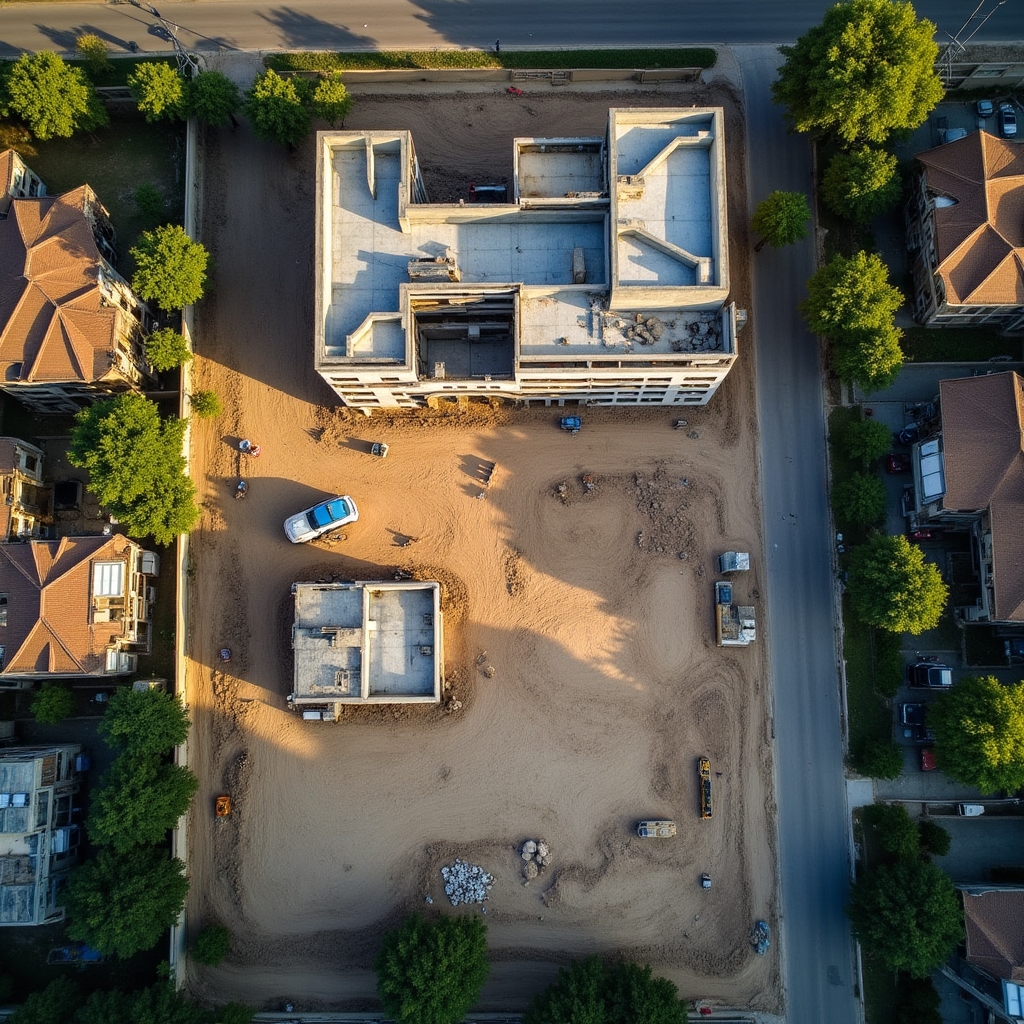
How a facilitated assembly unfolds.
Initial Briefing with the Developer
Before any material is prepared, we meet with the developer to understand the project's current status in detail. This includes construction progress, financial position, any delays or changes from the original plan, and the specific concerns or questions that investors are likely to raise. This briefing shapes everything that follows — the agenda, the presentation, and how we prepare for the Q&A segment.
Agenda Design and Approval
We draft the assembly agenda, defining each section, its purpose, and the time allocated. A typical agenda covers: formal opening and attendance confirmation, project status presentation, financial update, Q&A session, any decisions to be made, and formal close. The developer reviews and approves the agenda before it's finalized. Investors may receive the agenda in advance, depending on the developer's preference.
Visual Presentation Development
Using the information gathered in the briefing, we design the visual materials for the assembly. These materials present the project's current state in a format that investors can follow without requiring technical expertise. Construction milestones are shown visually. Financial information is presented clearly and in context. Timeline updates are communicated with reference to the original plan. The developer reviews all materials before the assembly.
Assembly Facilitation
On the day of the assembly, we manage the session from start to finish. We open the meeting formally, introduce the agenda, and guide participants through each section. During the presentation, we ensure the information is delivered clearly. During Q&A, we manage the flow — acknowledging each question, directing it to the appropriate person, and ensuring the discussion stays productive. We do not answer questions on behalf of the developer, but we structure the space so that answers can be given clearly.
Decision Documentation
When decisions are made during the assembly — whether about project direction, timelines, or other matters — we document them in real time. Each decision is recorded with the relevant context: what was decided, who participated in the decision, and any conditions or follow-up actions associated with it. This live documentation forms the basis for the formal minutes.
Minutes Production and Delivery
After the assembly, we produce the formal meeting minutes. This document incorporates all decisions made, key discussion points, attendance information, and a summary of the project status presented. The minutes are formatted for formal use and delivered within the agreed timeframe. The signing process follows the developer's established procedures. Once signed, the minutes serve as the official record of the assembly.
A note on the facilitator's role during Q&A
The question-and-answer segment is often the most challenging part of an investor assembly. Investors may have concerns that are difficult to address, and without structure, discussions can become unproductive or tense. Our role during this segment is to manage the process — not the content. We ensure every investor has an opportunity to ask questions, that questions are addressed in turn, that responses are given directly and clearly, and that the discussion doesn't spiral into unrelated topics. We do not intervene in the substance of the answers, and we do not take sides. The goal is a productive conversation, not a managed one.